Motor Fuel Prices Spike in April 2026: A Major Challenge for U.S. Shippers
- Kelsea Ansfield
- May 5
- 2 min read
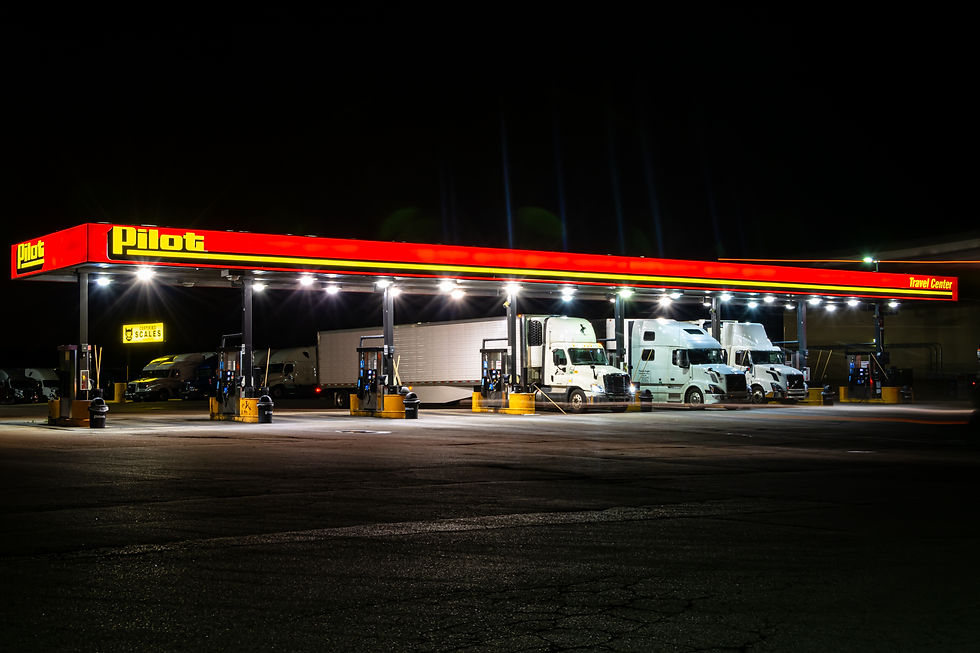
U.S. shippers are facing another sharp increase in operating costs as diesel prices surged in April, according to new data released today by the Bureau of Transportation Statistics (BTS).
April 2026 Motor Fuel Prices
Regular Motor Gasoline: National average $4.10 per gallon → +12.8% from March 2026 → +29.4% from April 2025
Diesel No. 2: National average $5.50 per gallon → +11.8% from March 2026 → +54.2% from April 2025
Regional Regular Gasoline Prices (April 2026):
West Coast: $5.38 (+26.5% YoY)
Central Atlantic: $4.08 (+30.1% YoY)
New England: $3.98 (+35.3% YoY)
Rocky Mountain: $3.94 (+25.6% YoY)
Lower Atlantic: $3.86 (+30.5% YoY)
Midwest: $3.83 (+26.5% YoY)
Gulf Coast: $3.71 (+35.2% YoY)
Compounding Pressure on Shipping Operations
This fuel spike comes at the same time the latest ISM Manufacturing PMI Report (released last week) showed supplier deliveries slowing for the fifth consecutive month. The Supplier Deliveries Index rose to 60.6% in April, signaling increasing delays across supply chains.
Key factors shippers are battling right now:
Diesel prices up over 54% year-over-year, directly driving higher fuel surcharges from carriers.
Transportation costs listed among commodities rising sharply in the ISM report.
Ongoing geopolitical tensions (Iran conflict mentioned in 47% of ISM respondent comments) disrupting key shipping routes and contributing to oil price volatility.
Slower supplier performance and extended lead times.
For shippers and logistics managers, this translates into higher freight rates, more volatile surcharges, tighter capacity in certain lanes, and greater difficulty in maintaining on-time performance.
What U.S. Shippers Should Do Now
Fuel Surcharge Management — Review and renegotiate fuel surcharge terms with carriers. With diesel at $5.50/gallon, outdated formulas can quickly erode margins.
Route & Mode Optimization — Evaluate intermodal vs. over-the-road options more aggressively, especially in high-cost regions like the West Coast.
Carrier Collaboration — Lock in capacity and rates where possible. Expect carriers to push for higher base rates to offset fuel costs.
Inventory & Network Adjustments — With customer inventories already “too low” per ISM data, some shippers may need to balance higher holding costs against the risk of even more expensive rush shipments.
Scenario Planning — Model fuel prices at $5.75–$6.00+ per gallon for the rest of 2026 to stress-test budgets and customer pricing.
Gain Consulting: Helping Shippers Navigate Volatility
At Gain Consulting, we work with shippers and logistics teams across the country to turn disruptive market conditions into strategic advantages. Whether it’s benchmarking current freight spend against rapidly changing market rates, optimizing your transportation network, or building resilient sourcing and routing strategies, our team delivers actionable insights tailored to today’s environment.
The combination of surging diesel prices and slowing supply chain performance is putting real pressure on shipping budgets and service levels. Companies that act decisively now will be in a much stronger position heading into the second half of 2026.
Need help analyzing how these fuel increases and supply chain trends are impacting your freight program?
Contact Gain Consulting today for a transportation cost and strategy assessment.
Sources: Bureau of Transportation Statistics (BTS) Motor Fuels Prices – April 2026 & Institute for Supply Management® (ISM®) April 2026 Manufacturing PMI® Report


Comments