Global Postal Disruptions: Navigating New U.S. Customs Rules in 2025
- Kelsea Ansfield
- Aug 25, 2025
- 4 min read
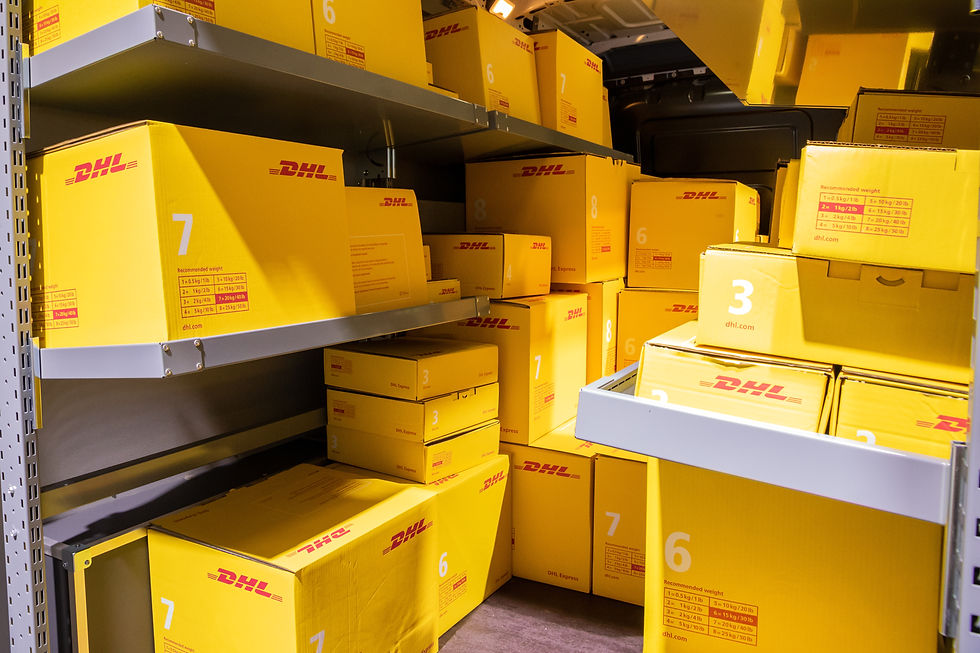
On August 22, 2025, FreightWaves reported that Deutsche Post and DHL Parcel Germany, along with other global postal operators, are suspending parcel services to the U.S. due to the elimination of the de minimis exemption, effective August 29, 2025. This significant policy shift introduces new customs duties and logistical challenges for shippers, particularly those relying on postal networks for low-value goods.
At Gain Consulting, we’re breaking down the implications of these changes and offering strategies to help businesses adapt to the evolving freight landscape.
Understanding the Suspension of U.S.-Bound Parcel Services
The de minimis exemption, which allowed goods valued under $800 to enter the U.S. duty-free with minimal paperwork, has been a cornerstone of e-commerce and small-parcel shipping. Its elimination, announced by the Trump administration, imposes new customs duties—15% for goods from Germany and the European Union, with some product categories facing higher rates. As a result, Deutsche Post and DHL Parcel Germany will halt acceptance and transport of parcels containing goods from business customers to the U.S. starting Saturday, August 23, 2025. Other European postal operators, including those in Austria and Belgium, have followed suit, with some suspending all shipments, including documents and gifts.
DHL clarified that its Express service remains unaffected, allowing commercial shipments to continue via this premium channel, which uses standard customs clearance processes. However, the suspension of postal network shipments reflects unresolved questions about new U.S. customs procedures, including how duties will be collected, what data is required, and how it will be transmitted to U.S. Customs and Border Protection. The Association of European Postal Services (PostEurop) noted that technical guidance was only provided on August 15, leaving operators with insufficient time to adapt systems by the August 29 deadline.
Broader Market Context
This disruption compounds existing challenges in the freight market. The July 2025 Cass Freight Index reported a 6.9% year-over-year decline in shipment volumes, driven by tariff uncertainties, while the Producer Price Index (PPI) for long-distance LTL trucking rose 7.1%, signaling rising costs. The June 2025 Freight Transportation Services Index (TSI) also showed a 0.4% month-over-month drop in freight activity, reflecting a sluggish market. Meanwhile, Union Pacific’s new Inland Empire-to-Chicago intermodal service, launching September 3, 2025, offers an alternative for shippers seeking cost-effective solutions amid these disruptions.
The suspension of postal services could lead to significant backlogs, similar to those seen earlier in 2025 when the de minimis exemption was eliminated for China and Hong Kong. With 1.36 billion packages valued at $64.6 billion entering the U.S. under the de minimis rule in 2024, the impact on e-commerce and small businesses is substantial.
Implications for Shippers and 3PLs
The suspension of U.S.-bound postal services and new customs duties present several challenges:
Increased Costs: The 15% customs rate on EU goods, alongside potential backlogs, will raise shipping costs for businesses reliant on postal networks.
Operational Disruptions: The halt in business parcel shipments via postal channels requires a shift to premium services like DHL Express, which may not be cost-effective for low-value goods.
E-Commerce Impact: Small businesses and e-commerce platforms, such as Etsy, which suspended shipping label purchases for U.S.-bound packages, face delays and higher costs, potentially affecting customer satisfaction.
Data and Compliance Needs: New customs requirements demand additional data and documentation, increasing administrative burdens for shippers.
Strategic Recommendations
To navigate these disruptions and prepare for the new customs landscape, Gain Consulting recommends the following:
Shift to Express Services: Utilize DHL Express or similar premium services for time-sensitive shipments to bypass postal network suspensions, while evaluating cost impacts.
Explore Intermodal Alternatives: Consider Union Pacific’s intermodal service for larger shipments to reduce reliance on parcel and LTL networks, especially for West Coast-to-Midwest routes.
Enhance Customs Compliance: Work with logistics partners to ensure compliance with new U.S. customs data requirements, avoiding delays and penalties.
Leverage Data Insights: Use the Bureau of Transportation Statistics’ freight mobility data to optimize routing and mitigate delays caused by backlogs.
Plan for Recovery: With carriers and brokers anticipating a freight market recovery in early 2026, secure capacity and explore cost-saving strategies now to prepare for increased demand.
How Gain Consulting Can Help
At Gain Consulting, we specialize in helping businesses adapt to complex logistics challenges. Our team can assess your shipping needs, streamline customs processes, and identify cost-effective alternatives like intermodal or express services. Whether you’re managing e-commerce shipments or navigating rising freight costs, we’re here to deliver tailored solutions that keep your supply chain moving.
Looking Ahead
The suspension of U.S.-bound parcel services by Deutsche Post, DHL Parcel Germany, and other global operators marks a critical shift in the freight landscape, driven by the end of the de minimis exemption and new customs duties. As the industry awaits clearer procedures, businesses must act swiftly to mitigate disruptions.
Contact Gain Consulting today to learn how we can help you navigate these changes, optimize your logistics strategy, and position your business for success in 2025 and beyond.
Source: Eric Kulisch, FreightWaves, August 22, 2025; additional insights from Cass Information Systems, BTS, and Logistics Management, August 2025



Comments